Medical workers wear protective equipment to disinfect equipment used to treat an Ebola patient, who recovered and was released this week, at the Heal Africa Hospital on June 4, 2026 in Goma, Democratic Republic of Congo. (Daniel Buuma/Getty Images)
(GENEVA) -- The number of Ebola infections and deaths in the Democratic Republic of the Congo (DRC) and Uganda has “increased rapidly” since late May, the World Health Organization said Monday.
Since the last update from the WHO on May 29, an additional 390 confirmed cases including 74 confirmed deaths were reported. The increase in cases -- more than tripling the prior confirmed count -- is in part due to better testing and diagnosis abilities, the WHO said.
Cases continue to be reported in various parts of the DRC across 25 health zones, with some infections hundreds of miles away from the epicenter of the outbreak in the Ituri province.
The outbreak remains concentrated there.
As of June 6, there are a total of 515 confirmed cases and 91 deaths in the DRC. So far, 12 patients have recommended recovered there.
Over 5,000 people have been identified as contacts due to exposure from someone who was infected. Contact tracing efforts continue to be underway.
At least 16 of the infections reported so far were identified in health care workers.
Uganda has 19 confirmed cases as of June 6, an increase of 10 since the last update on May 29.
While the WHO assesses the risk of transmission in the Congo as "very high" and "high" in bordering countries, the risk to the rest of Africa and the world is "low."
Human crowd surrounding an injectable measles vaccine bottle on purple background. Horizontal composition with copy space. ( MicroStockHub/Getty Images)
(NEW YORK) -- Measles cases in the United States have surpassed 2,000 for the second year in a row, according to data updated Friday from the Centers for Disease Control and Prevention (CDC).
So far in 2026, 2,030 confirmed cases have been recorded in 38 states and the District of Columbia, CDC data shows.
Cases have been confirmed in: Alaska, Arizona, California, Colorado, Florida, Georgia, Idaho, Illinois, Kansas, Kentucky, Louisiana, Maine, Maryland, Massachusetts, Michigan, Minnesota, Missouri, Montana, Nebraska, New Jersey, New Mexico, New York, North Carolina, North Dakota, Ohio, Oklahoma, Oregon, Pennsylvania, Rhode Island, South Carolina, South Dakota, Texas, Utah, Vermont, Virginia, Washington, Wisconsin and Wyoming.
Just 10 measles cases were reported among international travelers so far this year, according to CDC data.
Last year, 2,288 confirmed measles cases were reported for all of 2025. Prior to this, measles cases had not surpassed 2,000 in the U.S. since 1992.
The U.S. also saw its first measles deaths in more than a decade last year, including two among unvaccinated school-aged children in Texas and one among an unvaccinated adult in New Mexico.
The majority of measles cases in 2026 have been confirmed among children and teenagers aged 19 and younger, according to the CDC.
About 92% of cases are among people who are unvaccinated or whose vaccination status is unknown, CDC data shows.
Meanwhile, 4% of cases are among those who have received just one dose of the measles, mumps, rubella (MMR) vaccine and 4% of cases are among those who received the recommended two doses, according to the CDC.
Dr. William Schaffner, a professor of preventive medicine at Vanderbilt University Medical Center in Nashville, referred to the latest figures as "very disappointing and very concerning."
"It indicates that an increasing number of parents are either postponing or withholding their children from vaccination, and this is very concerning because it permits this virus back now into in the United States to continue to spread and obviously to cause illness in the children affected," he told ABC News.
January 2026 marked one year since measles cases were first detected on Texas. It’s unclear if the cases confirmed on Jan. 20, 2025, are linked to those that have been found other states; if so, it would mean the U.S. has seen a year of continuous transmission.
If it's determined that the U.S. has experienced 12 months of continuous measles transmission, it could lead to a loss of the country's elimination status that was earned in 2000. Measles would once again be considered endemic or constantly circulating.
The review of the measles elimination status in the U.S., which is determined by the Pan-American Health Organization, will take place in November 2026.
Schaffner said the U.S.'s measles elimination status is threatened as a result of so many cases.
"Measles, because it's the most contagious virus, is like the canary in the coal mine; it's the alert that lets us know that we're also opening ourselves up to other transmissible diseases that vaccines could prevent," he said.
The CDC currently recommends that people receive two doses of the MMR vaccine, the first at ages 12 to 15 months and the second between 4 and 6 years old. One dose is 93% effective, and two doses are 97% effective against measles, the CDC says.
However, CDC data show vaccination rates have been lagging in recent years. During the 2024 to 2025 school year, 92.5% of kindergartners received the MMR vaccine, according to data. This is lower than the 92.7% seen the previous school year and the 95.2% seen in the 2019 to 2020 school year, prior to the COVID-19 pandemic.
Schaffner said that public health specialists need to listen carefully to parents who are skeptical or hesitant of getting their children vaccinated.
"Have them speak to their own family doctors and pediatricians, have those conversations, and our pediatricians and family doctors have to provide a level of comfort and reassurance," he said. "Facts are fundamental, but more importantly, these parents need reassurance and a level of comfort that what their doctors ... are recommending is in the best interest of their child and the communities in which their children live."
"These diseases are bad and can be really bad. The vaccines are good and really good," Schaffner added.
(NEW YORK) -- New guidelines from the American Cancer Society are expanding colon cancer screening options beyond colonoscopies and established stool-based tests.
The recommendations still call for colorectal cancer screening in people at average risk starting at age 45 and continuing through age 75 for those with a life expectancy of 10 more years.
And colonoscopy is still considered the gold standard test.
But for the first time, the updated guidelines now include a blood-based screening test done in a doctor’s office. They also add new stool sample kits and a recently FDA-approved at-home test that looks for blood and different molecular markers in stool samples.
Experts note that offering more choices is critical to address gaps in screening for this highly preventable disease, which is most treatable when caught early.
“Individuals who decline or do not complete [testing] are probably a greater number than are actually appreciated,” Dr. William Dahut, chief scientific officer for the American Cancer Society, told ABC News. “And I think a lot of our data on colorectal screening probably overstates the number of people actually up to date on their screening guidelines.”
As the new guidelines point out, the most effective colorectal cancer screening test is the one people are willing to get. More than 20 million eligible Americans remain unscreened, according to the ACS.
While stool-based tests are reasonable options for most people, the new guidelines stress that the blood tests should be considered a last resort for people unable or unwilling to get any other form of testing because they are less likely to catch issues compared to other types of screening.
People who choose colonoscopy should be tested every 10 years. Other screening tests should be done every one, three, or five years, depending on the specific method selected.
These new guidelines come as colon cancer rates rise in younger adults across the US. ASC statistics show that 1 in 5 new colorectal cancer cases now occur in people younger than 55, up from about 1 in 10 in the mid-1990s.
“This is a disease that historically, we saw in older individuals, so people 50 and over or maybe even 60 and over. And now we are starting to see an inching up of incidents in people who are less than age 50,” Dr. Fola May, associate professor of medicine at the David Geffen School of Medicine at UCLA, told ABC News.
She said she hoped that having a range of choices would push more people to get tested.
The ACS likely wants to “make sure that patients understand that these tests can be done at home. So you don't need to take a day off of work. You don't need an escort, you don't need to have an invasive procedure,” May said.
The ACS advised people to work with a trusted healthcare provider to decide which test is best for them.
Dahut stressed that the recommendations apply only to people of average risk without symptoms and with no family or personal history of colorectal cancer. Consumers should check with their insurance provider to see which options their plan covers.
It’s important to be aware of the symptoms and take them seriously, he added.
“So if one has symptoms, blood in their stool, symptoms of obstruction, abdominal pain that's persistent or change in stool patterns, then they need to have a workup for those symptoms and not have a blood-based test like this or a stool-based test,” he said.
Ari Goldstein, MD, MPH, is a board-certified family physician and preventive medicine resident at Johns Hopkins Bloomberg School of Public Health
(GENEVA, Switzerland) -- The head of the World Health Organization warned on Monday that a rapidly growing Ebola outbreak in the Democratic Republic of Congo and Uganda "will get worse before it gets better."
More than 900 cases and more than 220 deaths have been reported in the DRC, WHO Director-General Dr. Tedros Adhanom Ghebreyesus said during a virtual briefing. Of those totals, 101 cases and 10 deaths have been confirmed.
Additionally, there have been five travel-related cases and a death in Uganda, according to the WHO and the Uganda Ministry of Health.
"We are facing an extremely serious and difficult outbreak. It will get worse before it gets better," Tedros said on Monday. "But we know this virus, and we know how to stop it. We have stopped every previous Ebola outbreak, and we will stop this one, too."
Tedros said he wanted to echo comments made by South African President Cyril Ramaphosa about overcoming the outbreak with unity.
"The question is just how quickly we can do it, and how many more lives will be lost before we do," Tedros added.
Tedros' comments come amid a hospital in northeastern Congo facing growing tension as officials have trouble following safety rules following the death of a well-known religious leader.
Dr. Richard Lokudi, director of the Mongbwalu General Referral Hospital in Ituri province -- one of three provinces where the Ebola outbreak is concentrated -- told ABC News the facility is under heavy tension after the body of a confirmed Ebola victim, who was also a major religious figure in the region, was brought there.
Lokudi said that family members and groups of young people are demanding the body be returned.
Because the patient was a confirmed Ebola case, authorities are insisting on a "safe and dignified burial" under outbreak protocols, and the body is being temporarily kept at the hospital until burial on Monday.
Lokudi said police and military forces have been securing the hospital and firing warning shots to disperse protesters gathered outside.
He added that the gunfire around the hospital has left him exhausted and stressed.
Last week, Tedros classified the Ebola outbreak as a public health emergency of international concern -- one level below a pandemic in the United Nations agency's alert system.
The WHO continues to consider the national risk assessment as "very high" while the regional level risk remains "high" and the global risk level remains "low," Tedros said on Monday.
The outbreak has led to multiple countries, including the U.S., India, the U.K. and Australia, putting travel restrictions in place.
Entry to the U.S. is restricted to foreign travelers who have recently been in the DRC, Uganda and South Sudan.
Meanwhile, U.S. passport holders and U.S. nationals returning to the U.S. from the three countries will be funneled to Dulles Airport in Virginia to be screened for symptoms and interviewed about possible exposure.
Enhanced screening efforts have also begun at Hartsfield-Jackson Atlanta International Airport as of Saturday morning and efforts at George Bush Intercontinental Airport in Houston will begin late Tuesday.
Lawful permanent residents (green card holders) who have been in any of the three countries over the last 21 days are barred from entering the U.S. temporarily.
Tedros said on Monday that WHO teams are on the ground in the outbreak zones assisting with response including contact tracing, establishing treatment centers and infection prevention and control. Tedros added that he will be traveling to the DRC on Tuesday.
The WHO chief said that several aspects of this outbreak make it "especially challenging," including the delays in detecting the outbreak.
"[It] means that we are now playing catch-up with a very fast-moving epidemic," he said on Monday.
US doctor infected with Ebola critically ill but says he is 'cautiously optimistic' He said that due to recent fighting in the provinces facing the brunt of the outbreak, it means tens of thousands of people are displaced and there is "significant distrust of outside authorities among the local population."
An additional challenge is that there are no approved vaccines or treatments for the strain of Ebola responsible for the outbreak: Bundibugyo virus.
Tedros said the WHO has recommended prioritizing two monoclonal antibodies to advance in clinical trials and recommended evaluating the antiviral obeldesivir in a clinical trial as post-exposure prophylaxis for those who are high-risk contacts.
ABC News' Eric M. Strauss contributed to this report.
A medical staff member disinfects a quarantine room in an Ebola treatment center in Bunia, Ituri province, Democratic Republic of the Congo, on May 21, 2026. (Str/Xinhua via Getty Images)
(NEW YORK) -- The Ebola outbreak in the eastern Democratic Republic of the Congo is "spreading rapidly," the head of the World Health Organization warned during a press briefing on Friday.
WHO Director-General Dr. Tedros Adhanom Ghebreyesus warned that the U.N. health agency has upgraded its risk assessment for spread at the national level from "high" to "very high." At the regional level, the risk remains "high" while the global level is still "low."
There have been almost 750 suspected cases and 177 suspected deaths from Ebola in the DRC, the WHO said in a post on X.
So far, at least 82 cases of Ebola have been confirmed in DRC as well as seven deaths, but Tedros said "we know the epidemic in the DRC is much larger."
Tedros described the situation in Uganda as "stable" with two cases confirmed in people who traveled from the DRC, with one death.
The epicenter of the current outbreak is in a "highly insecure" area -- the DRC's eastern provinces of North Kivu and Ituri -- where ongoing armed conflict has sparked a displacement crisis, according to Tedros.
The WHO chief also acknowledged a "security incident" that took place Thursday in Ituri in which "medical tents and supplies were set on fire." He noted that building trust in the local communities is "critical."
The WHO's representative in the DRC, Dr. Anne Ancia, who appeared from the field via video link during the press briefing, said Thursday's incident "significantly jeopardized" the Ebola response operations her team is trying to initiate in the hotspot area.
She noted that there is still very low contact tracing in Ituri, particularly the city of Bunia, but that there was better contact tracing happening in North Kivu.
So far, one American has contracted Ebola in relation to the outbreak. Dr. Peter Stafford tested positive after treating patients in the eastern DRC.
He was evacuated to Germany and is currently being treated at Charite University Hospital in Berlin in an isolation ward, the hospital said.
Stafford's wife and children, who are considered high-risk contacts, are also at the hospital and are currently in quarantine in a separate section of ward. The family is symptom free, according to the hospital.
The hospital said that Stafford does not currently require intensive care but is "severely weakened" from his illness.
Stock image of dental chair. (Zhenjin Li/Getty Images)
(PHILADELPHIA) -- Health officials in Philadelphia are recommending certain patients of a dental clinic accused of following "unsanitary practices" get tested for hepatitis and HIV due to potential exposures from April 2025 to May 2026, the city's Department of Public Health said in a statement this week.
Officials on Wednesday identified the dental clinic in Center City Philadelphia as Smiles at Rittenhouse Square, also called Smiles on the Square, and said it is now closed due to the dentist's temporary suspension.
James Garrow, Philadelphia's deputy health commissioner, told ABC News the risk is believed to be low to patients at this time because they have yet to identify any associated cases of hepatitis or HIV linked to this dentist office.
"We don't have any known reason to say that the risk will be potentially high, but the fact of the matter is, when you are in a dentist office that's unsanitary, unsafe, the risk always exists," Garrow said. "So that's why we're really pushing folks who are patients there to get tested and make sure."
The sole dentist practicing at this office has since had their license temporarily suspended, state records show.
"On May 15, 2026, the State Board of Dentistry suspended Dr. Kirti Chopra's professional license in Pennsylvania because her continued practice of dentistry presents a clear and immediate danger to public health and safety," a Pennsylvania Department of State official said in a statement to ABC News.
The alleged sanitary problems in the clinic were discovered during an unannounced site visit, the suspension order, reviewed by ABC News, said.
According to the order, the dentist allegedly admitted to investigators that used injectable medication vials were occasionally set aside for reuse on other patients and IV saline bags intended for single use were reused between patients.
Investigators said they identified multiple issues with sterilization and sanitation practices during the site visit that include finding dental instruments that were not properly sterile, handled with potentially contaminated gloves, and packaged in potentially contaminated pouches.
They also reported finding dental handpieces that came into contact with blood and saliva left attached to patient equipment after use that should be sterilized between patients.
The dentist's temporary suspension order concluded that these findings "place patients at risk for transmission of hepatitis C, hepatitis B, Human Immunodeficiency virus (HIV), as well as outbreaks of viral, bacterial or fungal infections."
Hepatitis viruses and HIV are spread through contact with infected blood or body fluids. Garrow said exposure at a dentist's office is "exceedingly rare" but it is possible to get infected if exposed through contaminated dental equipment.
"The fact of the matter is, if someone who is a patient there was exposed to one of these diseases... these are potentially life-changing chronic conditions," Garrow said.
Doctors tell ABC News potentially impacted patients may need multiple blood tests, depending on the timing of a potential exposure.
"If it's a recent exposure it would be a minimum of two or three blood draws to establish a baseline and then follow-up testing to determine seroconversion," Dr. George Diaz, a spokesperson for the Infectious Disease Society of America, told ABC News.
Doctors say hepatitis B is considered one of the more transmissible bloodborne viruses in healthcare settings when sterilization procedures aren't followed or if contaminated instruments are reused.
The hepatitis B vaccine offers the best line of protection for a person who is exposed to this virus.
"In this case, vaccination against Hepatitis B would be protective against exposures such as this," Diaz said. "Risk is virtually zero for those that are vaccinated."
There are no current vaccines to prevent HIV or hepatitis C. Treatment options vary for each virus, based on timing of exposure or infection.
According to Garrow, the health department is working to finalize a list of patients potentially at risk but due to the timeframe of potential exposure, he estimates that number "could be in the hundreds."
Garrow also said that there is another dental clinic in the same building with a similar name, Rittenhouse Smiles, that is not under investigation, and they are working on messaging to minimize patient confusion.
Officials say people who are unsure about potential exposure or patients of Smiles at Rittenhouse Square should call 215-685-5488, a hotline the health department set up that is open between 8:30 a.m. and 5 p.m. ET, Monday through Friday.
"Dr. Chopra is cooperating with the Department of Public Health and the Pennsylvania Department of State," a lawyer representing Chopra and Smiles at Rittenhouse Square said in a statement to 6ABC Philadelphia on Wednesday. "Dr. Chopra will continue working cooperatively with public-health officials regarding patient notification, testing recommendations, and any required infection-control remediation."
Mark Abdelmalek, MD is a medical contributor and investigative reporter for ABC News. Jade A. Cobern, MD, MPH, is a fellow of the ABC News Medical Unit.
Female Aedes mosquitoes, including the Asian tiger mosquito (Aedes albopictus) and the yellow fever mosquito (Aedes aegypti), are observed feeding on human blood in Tehatta, West Bengal, India, on May 01, 2026. These mosquitoes are known to transmit diseases such as dengue, chikungunya, Zika, yellow fever, and West Nile virus. Rising temperatures are contributing to their survival. (Photo by Soumyabrata Roy/NurPhoto via Getty Images)
(TEXAS) -- Texas health officials on Tuesday confirmed the state's first human West Nile virus case this year, an indication that mosquito season is beginning in the United States.
Public health officials have been warning that rising temperatures have allowed mosquitoes to thrive, increasing the risk of the diseases that they spread, including West Nile.
Last year, the U.S. reported 2,076 cases of West Nile across 47 states, according to data from the Centers for Disease Control and Prevention. Colorado had the highest number of cases (285), followed by Illinois, Texas, Minnesota and California.
The Texas Department of State Health Services said the patient was a resident of Harris County, which includes Houston, but no other information about the patient was made available.
"West Nile and other mosquito-borne illnesses are a fact of life in Texas in the warmer months, and all Texans should take precautions against mosquito bites to stay safe and healthy," Texas DSHS Commissioner Dr. Jennifer A. Shuford said in a press release. "By removing standing water around the home, people can eliminate mosquito breeding grounds and reduce insect populations in their area."
Since 1999, West Nile virus has killed about 2,900 Americans, according to the CDC. Cases are typically reported between June and October, historically peaking in August.
The virus is spread through the bite of an infected mosquito. Risk increases with older age, certain medical conditions -- such as cancer, high blood pressure and kidney disease -- and a weakened immune system.
Symptoms include fever, headache, body aches, vomiting, diarrhea and a rash. Severe illness can affect the central nervous system and result in hospitalization or death, according to the CDC.
There is currently no vaccine that protects against West Nile virus, and preventing mosquito bites is the best way to protect yourself, the CDC says.
No specific treatments are available. Doctors recommend patients rest, drink fluids and take pain medication to help relieve some symptoms. People with severe illness may need to be hospitalized for supportive treatment, according to the CDC.
The CDC says most people infected with West Nile virus are believed to have lifelong immunity. However, some with weakened immune systems or certain conditions may have their immunity wane over time.
Health supplies are seen as healthcare workers receive training on administering the Ebola vaccine in a study carried out with the support of the World Health Organization as part of the fight against the Ebola virus in Kampala, Uganda on February 14, 2025. (Nicholas Kajoba/Anadolu via Getty Images)
(NEW YORK) -- A deadly Ebola outbreak is continuing to spread in the Democratic Republic of Congo and Uganda, with officials on Tuesday saying there were more than 600 confirmed and suspected cases and more than 100 suspected deaths.
The World Health Organization (WHO) declared the outbreak a public health emergency of international concern, and at least one American in the DRC has tested positive, according to the Centers for Disease Control and Prevention (CDC).
Several public health experts told ABC News that while they agree with the CDC that the risk to the U.S. public is currently low, the outbreak is still concerning. They also expressed unease that the U.S. may not be prepared to adequately respond due to cuts to federal health agencies and its withdrawal from the WHO.
The experts noted cases have been found in remote regions of the DRC and Uganda, as well as urban areas, and the outbreak is growing rapidly. They added that although Ebola is a rare disease, it can be highly contagious and can lead to deadly consequences.
"We're worried that if this outbreak is not contained, that it could spread elsewhere on the continent, which could increase the risk of the virus spreading outside of the African continent," Dr. Jennifer Nuzzo, professor of epidemiology and director of the Pandemic Center at Brown University School of Public Health, told ABC News.
"Ebola is not as transmissible a virus as, say, a coronavirus ... and that's why I don't think that this will ever become a pandemic scenario, but it doesn't have to be a pandemic to be a worrisome situation," she added.
Americans affected by outbreak
On Monday, the CDC confirmed that least one American in the DRC contracted Ebola while working in the country.
Dr. Satish K. Pillai, incident manager for the CDC's Ebola response, told reporters that the individual developed symptoms over the weekend and tested positive late Sunday, adding that the patient and six other high-risk contacts were being moved to Germany for care and monitoring.
Serge, an international Christian missions organization, confirmed the patient is American medical missionary Dr. Peter Stafford, a board-certified general surgeon with a specialization in burn care, who was serving patients in the eastern DRC.
Pillai did not say if or when the Americans would be returning to the U.S., but experts say, even if the patient and contacts do, the risk level to the public does not change.
"We safely and effectively have [returned affected Americans home] many times before," Emily Smith, interim chair of the department of global health at the Milken Institute School of Public Health at George Washington University, told ABC News. "It's something we have good experience in and have always safely and effectively done. So, to me, no concerns about doing that."
Dr. Jesse Goodman, a professor of medicine and infectious disease at Georgetown University and former chief scientist at the Food and Drug Administration, said it is encouraging that when countries such as the DRC have experienced outbreaks in the past, they have not progressed to pandemic status.
"I think the most [the U.S.] would see is the kind of limited transmission that we've seen in the past because this virus almost always appears that transmission is from people who have symptoms," he told ABC News. "I think if there are cases that come to this country, I would expect limited transmission and think we have the capability to contain it."
During the 2014 Ebola outbreak, there were two cases of suspected transmission from a patient with Ebola to nurses caring for him. The CDC has established detailed infection prevention and control procedures for health facilities that suspect they have cases of Ebola.
U.S. may not be as connected to the global health community
Even with possible U.S. capability to contain Ebola domestically, the experts who spoke to ABC News said the U.S. is likely at a disadvantage when it comes to responding to several health crises both at home and abroad due to public health capacity cuts.
Last year, the State Department announced it would be taking over programs previously run by the U.S. Agency for International Development (USAID). Secretary of State Marco Rubio said the agency -- which oversaw foreign aid, disaster relief and international development programs -- would no longer be providing assistance to other countries.
In previous Ebola outbreaks, USAID provided millions of dollars and operational support in response, in addition to helping with preparedness activities in neighboring countries.
Additionally, earlier this year, the U.S. officially completed its withdrawal from the WHO, with federal officials saying at the time there are "plans" in place to work with organizations on surveillance, diagnostics and outbreak response to fill in gaps left by exiting the WHO.
Brown University's Nuzzo said the Ebola outbreak is the kind of situation public health experts warned about as USAID was gutted and the U.S. withdrew from the WHO.
"We warned that the United States would be flying blind, and it would be learning about deadly outbreaks late, and then it would be very difficult for the U.S. to respond because we would have fewer tools to do that,'" Nuzzo said. "The big worry here is that the outbreak wasn't declared until there were more than 200 suspected cases of the virus and that is very unusual. Usually, we get signals of an outbreak much earlier."
George Washington University's Smith concurred, "When we are talking about public health infrastructure and global health infrastructure, we're in a worse place today than we were two years ago."
Nuzzo also noted that the National Institute of Allergy and Infectious Diseases, an agency within the National Institutes of Health, ended research at its high containment lab in Fort Detrick, Maryland, due to "a safety stand-down" last year.
The lab was one of the few federal facilities studying Ebola and other deadly pathogens, which Nuzzo said could have been useful in understanding the virus and developing therapies for the recent outbreak.
"So now that we have Americans potentially exposed to a virus that's deadly, for which we have no vaccines or treatments, you can imagine how beneficial it would be to have a laboratory that can conduct world-class research to make sure we develop cures for this," Nuzzo said. "But we don't have it. So, we're basically behind the curve in being ready for this."
Goodman also said that the U.S. may not be as prepared because Health and Human Services Secretary Robert F. Kennedy Jr. has been actively shifting the department's focus away from infectious disease management and towards chronic illnesses.
During his confirmation hearings last year, Kennedy argued that too much federal funding has been "devoted" to "infectious disease and to drug development and very little to chronic diseases."
Goodman argued that there needs to be a focus on infectious diseases because of the threats they may pose to public health.
"I think the message here is these infectious disease, we may be done with them, but they're not done with us," he said. "There's a reason that so many of us work for so many years to be prepared for whatever the next thing is because we don't know what it is and we just need to be ready."
Kennedy told ABC News on Monday that his agency is addressing the recent hantavirus and Ebola outbreaks.
"Yeah, we're working on it," Kennedy replied when asked if he was worried about the outbreaks. Kennedy did not respond when asked what his message might be to Americans who are concerned about the diseases potentially spreading in the U.S.
On Sunday, the State Department issued "Level 4 -- Do not travel" advisories for Uganda and the DRC due to the outbreak.
Secretary of State Marco Rubio called the Ebola outbreak "concerning" while speaking to the press on Tuesday.
"The lead is obviously going to be CDC and the World Health Organization, which was a little late to identify this thing unfortunately," he said. "It's a little tough to get to because it's in a rural area. So it's a kind of confined and hard-to-get-to place, in a war-torn country, unfortunately. But we'll have more to announce on that. We're going to lean into that pretty heavy."
Nuzzo said she's worried that the U.S. hasn't built a public health system that acknowledges viral outbreaks as recurring threats, saying the U.S. has been caught off guard with previous incidents such as COVID-19.
"We don't do that with other recurring hazards you know; we don't try to build FEMA in the midst of a hurricane," Nuzzo said.
ABC News' Shannon Kingston contributed to this report.
Robert F. Kennedy Jr., US secretary of Health and Human Services (HHS), during a healthcare affordability event in the South Court Auditorium of the Eisenhower Executive Office Building at the White House in Washington, DC, US, on Monday, May 18, 2026. (Photographer: Jim Lo Scalzo/EPA/Bloomberg via Getty Images)
(WASHINGTON) -- Health and Human Services Secretary Robert F. Kennedy Jr. told ABC News on Monday that his agency is working to address the recent hantavirus and Ebola outbreaks, marking the first time he’s commented publicly on the Ebola outbreak since the Centers for Disease Control and Prevention (CDC) confirmed than an American had been infected with the virus in the Democratic Republic of the Congo (DRC).
“Yeah, we’re working on it,” Kennedy told ABC News when asked if he was worried about the outbreaks. The secretary’s comments come after the CDC said a “small number of Americans" are directly affected by the current Ebola outbreak in the DRC.
Kennedy did not respond when asked what his message might be to Americans who are concerned about the diseases potentially spreading in America. He told reporters in the Oval Office last week that the U.S. had the hantavirus outbreak “under control.”
“We have this under control and we're not worried about it,” he said at the White House’s maternal healthcare event on May 11th. Kennedy also noted that the CDC has been working on the outbreak since day one.
The CDC said there have been no confirmed hantavirus cases in the U.S. linked to the MV Hondius cruise ship and 18 passengers remain under observation at the University of Nebraska.
Meanwhile, Kennedy's brief comments about the outbreaks came following a roundtable event announcing nearly $1 billion in new funding to states to address PFAS in drinking water at the Environmental Protection Agency (EPA) on Monday.
The secretary has been on a midterm blitz recently, touting the administration's Make America Healthy Again (MAHA) movement during stops including Ohio and California.
At a subsequent event featuring Kennedy and other health leaders at the White House, Deputy Assistant to the President for Domestic Policy Heidi Overton stressed that “there are no cases of Ebola in America.”
Deputy Assistant to the President for Domestic Policy Heidi Overton stressed during the event that “there are no cases of Ebola in America.”
“We want to keep it that way and we are doing everything we can to support Americans in the region,” Overton added.
In this photo illustration, a laboratory test tubes containing blood to be analyzed for the Hantavirus "Orthohantavirus" outbreak, held by a nurse. (Vincenzo Izzo/LightRocket via Getty Images)
(DOUGLAS COUNTY, Colo.) -- Colorado public health officials are investigating the death of an adult resident as a result of hantavirus.
The Colorado Department of Public Health and Environment and the Douglas County Health Department said the death is not linked to the outbreak on the MV Hondius cruise ship, which led to 11 confirmed and probable cases, including two confirmed deaths and one suspected death.
The individual lived in Douglas County -- located just south of Denver -- but information about the patient's name, age and sex were not immediately available.
Health officials said the individual was infected by the Sin Nombre hantavirus, which is the most common cause of hantavirus pulmonary syndrome (HPS) in North America.
HPS symptoms typically appear from one to eight weeks after contact with the virus, with early signs including fever, fatigue and muscle aches, according to the Centers for Disease Control and Prevention. Half of HPS patients will experience headaches, chills, dizziness, nausea, vomiting, diarrhea and abdominal pain.'
Between four and 10 days after the initial phase of illness, symptoms including coughing, shortness of breath and tightness in the chest can emerge, the CDC said, adding that a patient's lungs can fill with fluid.
"Hantavirus infections caused by the Sin Nombre hantavirus occur regularly in Colorado, usually in the spring and summer, and can cause a severe and sometimes deadly respiratory disease," according to public health officials. "In Colorado, the deer mouse is the rodent species that most commonly exposes people to the virus. Avoiding exposure to rodents and their urine, feces, saliva, and nesting materials is the best way to prevent infection."
According to the CDC, there were six cases of Hantavirus in Colorado from 2020 to 2023.
Medical staff direct some of the last passengers to be evacuated from the MV Hondius on May 11, 2026, in Tenerife, part of the Canary Islands, Spain. (Chris Mcgrath/Getty Images)
(NEW YORK) -- Health experts tell ABC News that the current science behind the hantavirus that circulated throughout the MV Hondius does not show the same levels of transmission as with COVID-19, while acknowledging that the scenario may seem similar to the beginning of the 2020 pandemic.
"Our current understanding is that person-to-person transmission of Andes virus is relatively rare and generally associated with prolonged close contact," the current Centers for Disease Control and Prevention public health assessment said. "There is also no documented evidence of presymptomatic transmission."
Officials around the globe have taken major steps to prevent the spread of the hantavirus, and an American doctor who was onboard noted how conditions on the cruise ship may have helped the virus propagate.
In the U.S., the boat's 18 American passengers have been put in quarantine in Nebraska, while more than 40 people with exposure to the sick are being monitored to see if they develop the illness.
"In the vast majority of cases it happens when people breathe in mouse secretions," Dr. Emily Abdoler, a clinical associate professor of medicine at the University of Michigan, who specializes in infectious diseases, told ABC News.
"The Andes strain found in Chile and Argentina has the possibility of human-to-human transmission, but that's really more really close contact. It's not sharing the same household," she added. "It's more like sharing the same bed."
Dr. Stephen Kornfeld, an American oncologist who became the ship's de facto doctor after the Hondius' physician contracted the virus, initially received inconclusive results with samples taken from the ship but later tested negative.
Speaking to ABC News from his quarantine on Thursday, Kornfeld noted that conditions on the ship -- including ventilation and the size of rooms -- could have created a "complicated" situation for transmission while observing some social casual contact.
"If you do have casual contact, you're doing it repetitively," he said. "There were three rooms that we would gather in many times a day, often for an hour or an hour and a half, for lectures and discussions and meals. And I can just envision lots of frequent casual contacts, and perhaps over time that adds up to something more than just a single casual contact."
Abdoler, who helped diagnose a case of hantavirus in Michigan in 2021 -- the type we have in the U.S. that does not spread between people --said the benefit that medical professionals and agencies, such as the World Health Organization, have now is that the hantavirus has been researched for over 30 years. It is not a new virus.
While the data around the Andes strain believed to have been on the boat is still limited given the rare number of cases outside of South America, Abdoler said there does not appear to be any indication that the transmission methods have changed for the Andes strain.
ABC News medical contributor and epidemiologist Dr. John Brownstein concurred, saying that previous research suggests the hantavirus is a respiratory illness. That means germs can be coughed up, he noted, but it is not an aerosol-based virus.
"It's not like COVID or measles where it could linger in the air for some time," he said.
Brownstein added that the incubation period for the virus is long, and despite the lower risk for person-to-person transmission, it is critical that health officials stick to their policies to isolate and monitor anyone connected to the Hondius. Isolation can then be initiated if they become a positive case.
"Incubation can be anywhere from one to eight weeks," he noted.
During a news briefing Friday, WHO officials stressed that said there is no evidence so far that the virus has changed to become more transmissible or more severe.
Officials said transmission is believed to be based on several factors, including how infectious the patient is, the environment and whether protection and PPE was used.
On Friday, acting Centers for Disease Control and Prevention director Jay Bhattacharya told reporters no cases of hantavirus have been reported in the U.S.
There are now at least 10 cases that have been linked to the ship's outbreak. Two passengers died from the virus and a third death has been deemed probable by WHO.
Sixteen Hondius passengers, including Kornfeld, initially were flown to the quarantine center at the University of Nebraska Medical Center and had not shown any symptoms as of early Friday. Kornfeld had been placed in a biocontainment unit at the facility.
Two other American passengers were flown to Atlanta for "assessment and care," according to officials. They were later transferred to the quarantine unit in Nebraska on Friday.
The remainder of the passengers are in quarantine at home and are being monitored.
WHO warned more positive cases could still appear during quarantine because the virus' incubation period is long, but said that would not necessarily mean the outbreak is growing.
Abdoler noted that the fact that there have not been as many positive cases from the ship and their contacts shows that the data about the Andes transmission is holding up and there are no signs that the virus can spread as easily as other pathogens.
She noted that he is glad that the risk is being taken seriously and that those that have been exposed are being monitored.
"My sense is that there is no really need to panic, but [WHO] is taking a very conservative approach to the outbreak and asking everyone to isolate during the intubation period," she said.
"I think it is good they are taking a conservative approach because there are unknowns, but I am not personally altering my personal practices of travel or how I go out," she added.
- ABC News' Dragana Jovanovic contributed to this report.
Healthcare workers walk outside the Ebola treatment centre in Beni, eastern Democratic Republic of the Congo. (2019). (Photo by Sally Hayden/SOPA Images/LightRocket via Getty Images)
(NEW YORK) - An Ebola outbreak has been confirmed in the Ituri province in Democratic Republic of the Congo, according to Africa Centres for Disease Control and Prevention.
As of the latest update, about 246 suspected cases and 65 deaths have been reported, mainly in Mongwalu and Rwampara health zones, officials said.
Africa CDC said that preliminary lab results from the Institut National de Recherche Biomédicale (INRB) have detected Ebola virus in 13 of 20 samples tested. Four deaths have been reported among laboratory-confirmed cases.
The latest outbreak comes around five months after Congo's last Ebola outbreak was declared over after more than 40 deaths.
“Africa CDC is closely monitoring the situation and convening an urgent high-level coordination meeting today with the DRC, Uganda, South Sudan and global partners to reinforce cross-border surveillance, preparedness and outbreak response efforts,” officials said in a statement Friday.
-ABC News' Rashid Haddou contributed to this report
Marty Makary attends an executive order signing in the Oval Office on April 18, 2026.(Allison Robbert/For The Washington Post via Getty Images)
(WASHINGTON) -- Food and Drug Administration Commissioner Marty Makary intends to resign on Tuesday, two sources familiar with the matter told ABC News.
His departure was in the works after he clashed publicly with lawmakers, major pharmaceutical companies and President Donald Trump himself. He was scheduled to testify on Capitol Hill on Wednesday.
Trump was asked by reporters about Makary's possible resignation on Tuesday and signaled that Deputy Commissioner Kyle Diamanta would temporarily take on the role.
The president said, "Marty is a great guy," but added that he was "having some difficulty."
"Everybody wants that job," Trump said.
The FDA and White House have not responded to requests for comment.
Makary, who is a surgeon by training, gained notoriety during the COVID-19 pandemic, arguing against masks for children and vaccine mandates, and criticizing the Centers for Disease Control and Prevention (CDC) for citing Israeli data in recommending boosters rather than conducting its own research.
Since taking office in March 2025, the commissioner has focused his efforts on reshaping vaccine policy in the U.S. and transforming American diets.
Makary appeared in a video on X alongside Kennedy when the secretary announced in May 2025 the removal of the COVID-19 vaccine from the CDC's immunization schedule for "healthy children and pregnant women."
"There's no evidence healthy kids need it today and most countries have stopped recommending it for children," Makary said at the time.
Last year, Makary appeared at a news conference announcing the HHS and FDA would be implementing a series of measures to phase out eight artificial food dyes and colorings from America's food supply by the end of 2026.
Makary said at the time that the agencies are looking to revoke authorization for two synthetic food colorings and to work with the food industry to eliminate six remaining synthetic dyes used in cereal, ice cream, snacks, yogurts and more -- claiming American children "have been living in a toxic soup of synthetic chemicals."
Makary also supported Kennedy's updated federal dietary guidelines earlier this year. The guidelines recommended that Americans limit highly processed foods and refined carbohydrates but also advocated for consuming red meat and full-fat dairy, a reversal of past nutrition guidance.
"For decades, we've been fed a corrupt food pyramid that has had a myopic focus on demonizing natural healthy saturated fats, telling you not to eat eggs and steak and ignoring a giant blind spot: refined carbohydrates, refined sugars, ultra-processed foods," Makary said. "In this new guidance, we are telling young people, kids, schools, you don't need to tiptoe around fat and dairy. ... You don't need to push low-fat milk to kids."
In early May, Trump criticized Makary for not moving quickly enough to approve flavored vape and nicotine products, according to a report from The Wall Street Journal.
Trump's advisers informed him that Makary was delaying the president's effort to "save" vaping," a pledge Trump made on social media during his presidential campaign, according to the Journal.
The FDA announced its first authorization of fruit-flavored electronic cigarettes intended for adult smokers on May 6. And last week, the FDA approved four new devices made by Glas, including classic menthol, fresh menthol, gold, and sapphire pods. "Gold" is mango flavored and "sapphire" is blueberry flavored.
The decision, which marked a significant policy shift from federal health officials, raised concerns from pediatrician groups and advocacy organizations about the potential impact on minors.
Makary had told ABC News' Linsey Davis in July, "There is not an approved vaping product in the United States that has one of these cutie-fruity flavors."
"What we're concerned about is kids who are starting vaping from scratch," he added. "I personally have met kids who know they're addicted, they don't want to be addicted, and they can't stop this addiction path that they're on."
A view of the Dutch-flagged vessel MV Hondius is seen navigating the Atlantic Ocean near Saint Helena Island on April 24, 2026. (Emin Yogurtcuoglu/Anadolu via Getty Images)
(LONDON) -- An epidemiologist from the World Health Organization (WHO) said Thursday that the suspected hantavirus cluster aboard a cruise ship is not the beginning of another COVID-19 pandemic.
Eight cases are currently being reported by the WHO, including five laboratory-confirmed cases and three suspected cases. Of those eight cases, three have died.
Dr. Maria Van Kerkhove, an infectious disease epidemiologist and acting director of epidemic and pandemic management at the WHO, was asked during a press conference what the difference was between this cluster and the early days of the COVID pandemic.
"I want to be unequivocal here. This is not SARS-CoV-2. This is not the start of a COVID pandemic. This is an outbreak that we see on a ship," Van Kerkhove said.
Van Kerkhove explained that hantavirus doesn't spread in the same way that coronaviruses do, but rather through "close, intimate contact." Most hantaviruses don't transmit from person to person.
"The actions that are being taken on board [the ship] are precautionary to prevent any onward spread," she added.
There appears to be one confirmed case and two suspected cases that have not been added to the WHO's official count yet.
Officials told ABC News a female individual, who was on a KLM flight with the Dutch female patient who later died, developed symptoms and was admitted to a hospital. Leiden University Medical Centre in the Netherlands confirmed on Thursday that the female patient has hantavirus and is receiving care.
Additionally, two Singapore residents who were on board the ship are currently being monitored. Singapore's Communicable Diseases Agency said it was notified of the individuals on May 4 and May 5.
"They have been isolated at the National Centre for Infectious Diseases, where they are being tested for hantavirus. The risk to the general public in Singapore is currently low," the agency said.
The agency added that test results are pending, with one resident having a runny nose and the other is asymptomatic.
Three deaths have been recorded so far, including a married Dutch couple. The 70-year-old male patient died on April 11, and his body was taken off the ship on the island of St. Helena on April 24. His 69-year-old wife disembarked on the same day, and her health rapidly deteriorated. She died at an emergency department in South Africa on April 26.
A third passenger, a German woman, presented with pneumonia symptoms starting on April 28, according to the WHO. The woman died on May 2 from causes not yet known, according to Oceanwide Expeditions, which operates the cruise ship.
The WHO said 29 people disembarked on St. Helena on the same day that the body of the Dutch male patient and his wife disembarked.
They traveled to 12 countries: Canada, Switzerland, Germany, Denmark, Great Britain, St. Kitts and Nevis, Netherlands, New Zealand, Singapore, Sweden, Turkey and the United States.
The disembarked guests have all been contacted by Oceanwide Expeditions. In the U.S., local authorities in three states -- Arizona, Georgia and California -- are monitoring the disembarked passengers and are conducting contact tracing, None have shown signs of illness at this time.
Anais Legend, technical lead for viral hemorrhagic fevers at WHO, said during the press conference on Thursday that "step-by-step guidance is being developed" for the disembarked passengers and that the WHO is coordinating with national authorities.
Anyone with any signs of symptoms will be isolated while other passengers have their risk exposure evaluated.
Public health experts said they expected a more robust response from the Centers for Disease Control and Prevention (DC) and the National Institutes of Health.
"The CDC would typically be asked by WHO or by a country to help in technical assistance," Dr. Carlos del Rio, an H. Cliff Sauls distinguished professor of medicine at the Emory University School of Medicine, told reporters on Thursday.
Typically, CDC teams would be deployed to an area, he said, and the teams would perform contact tracing and interviews and conduct an outbreak investigation.
"I would envision by now, many, many days ago, we would have seen a team from CDC deployed to the area," he added.
Dr. Jeanna Marrazzo, CEO of the IDSA, added that she would have expected a CDC press briefing, an alert from the agency's Health Alert Network or information from the NIH on potential treatments in the pipeline that could receive emergency use authorization to help treat hantavirus patients.
Marrazzo said she is not aware that conservations about potential therpaies at NIH aren't happening but that it "doesn't give me a lot of assurance or reassurance that we are not hearing any of that."
The WHO said during Thursday's press briefing that the U.S. is coordinating with the global health agency in a technical capacity.
Because the cluster is limited and confined to a cruise ship, the "idea of sending messages across the world and panicking everyone is not required," said Dr. Abdirahman Mahmoud, director of the WHO's health emergency alert and response operations.
He added that the WHO is "informally" aware that contact tracing has been done of the U.S. passengers who disembarked last month and are back home.
A hantavirus is a virus found in the urine, saliva or excrement of deer mice and certain other infected wild rodents (Icy Macload/Getty Images)
(LONDON and BELGRADE, Serbia) -- The total number of suspected hantavirus cases aboard a cruise ship has risen to five as global health authorities work to contain a potentially deadly cluster of the disease.
More than 100 passengers remain on the ship and the World Health Organization (WHO) is monitoring their health. Officials said that the "overall public health risk remains low" but that there may be some person-to-person spread.
The ship, the MV Hondius, which was off the coast of Africa in Cape Verde, is now en route to the Canary Islands after officials medically evacuated three people, including two in "serious condition."
Some passengers disembarked the ship before knowledge of the cluster and are back in their home countries. In some cases, authorities are advising those passengers to self-isolate.
In addition to the two patients who were evacuated, a third person, who is asymptomatic but a close contact of a German national who died on May 2, was also removed from the ship, WHO officials in Cape Verde told ABC News.
"WHO continues to work with the ship’s operators to closely monitor the health of passengers and crew, working with countries to support appropriate medical follow-up and evacuation where needed," Dr. Tedros Adhanom Ghebreyesus, the director-general of the WHO, said in a post on X on Wednesday, in which he confirmed the evacuations.
"Monitoring and follow-up for passengers on board and for those who have already disembarked has been initiated in collaboration with the ship’s operators and national health authorities," he continued.
Tedros added that "the overall public health risk remains low."
Health officials confirmed two additional cases of hantavirus among crewmembers, bringing the total confirmed cases to five.
The three previously confirmed hantavirus cases include a woman who disembarked and was on her way home from the Netherlands, a British national who is in critical but stable condition in a hospital in Johannesburg, and a passenger who traveled on the first leg of the voyage and is currently being treated at the University Hospital Zurich, according to Oceanwide Expeditions, which operates the ship. So far, three deaths have been recorded.
"Swiss authorities have confirmed a case of hantavirus identified in a passenger from the MV Hondius cruise ship," the WHO said on X on Wednesday. "He had responded to an email from the ship’s operator informing the passengers of the health event, and presented himself to a hospital in Zurich, Switzerland, and is receiving care."
The type of virus in this outbreak has been confirmed as Andes hantavirus by the National Institute for Communicable Diseases in South Africa and Geneva University Hospitals in Switzerland, the WHO said Wednesday. The Andes hantavirus historically has been shown to potentially transmit between people, according to the WHO.
Oceanwide Expeditions said of the three passengers who were evacuated from the ship, two are symptomatic and in serious condition and the third is asymptomatic but a close contact of a German national who died on May 2.
"In partnership with the RIVM (Dutch Institute for Public Health and Environment), Oceanwide Expeditions is expanding medical care on board with two infectious disease physicians, arriving today by plane from the Netherlands. This ensures that optimal medical care can be provided if necessary, during the next stage of this evolving situation," the company said in a statement.
Cape Verde officials said on Tuesday that the vessel was expected to sail to the Spanish island of Tenerife, but the president of the Canary Islands, a Spanish archipelago off the northwestern coast of Africa, said on Wednesday that the regional government was opposed to allowing the luxury cruise ship to dock in Tenerife.
"This decision is not based on any technical criteria, nor is there sufficient information to reassure the public or guarantee their safety," President Fernando Clavijo told radio station COPE, according to Reuters.
Clavijo said on social media that he had requested a meeting with the Spanish prime minister to discuss the ship. He added that the Canary Islands "always acts with responsibility, but it cannot accept decisions taken behind the backs of the Canary Islands institutions and without sufficient information to the population."
Mónica García, Spain's minister of health, said once the ship arrives at the port of Granadilla de Abona in the Canary Islands, there will be a "joint screening and evacuation mechanism will be launched to repatriate all passengers," according to RTVE, a Spanish national public broadcaster.
“Unless their medical condition prevents it, all foreign passengers will be repatriated through the European civil protection mechanism, about which the Interior Minister will provide further details later," Garcia said in Spanish.
WHO officials earlier on Wednesday said the three evacuated people were to be transferred to planes bound for both the Netherlands and Tenerife, but later updated the plan so that all would be sent to the Netherlands, officials told ABC News.
The logo of the WHO is seen on panel in front of the headquarters of the World Health Organization (WHO) on January 23, 2025 in Geneva, Switzerland. (Robert Hradil/Getty Images)
(NEW YORK) -- An epidemiologist at the World Health Organization (WHO) said that there may be some person-to-person spread in the suspected hantavirus outbreak aboard a cruise ship.
As of Monday, there have been seven cases reported aboard the MV Hondius, of which two are laboratory-confirmed and five are suspected. Among those seven, there have been three deaths, including a married couple from the Netherlands, one of whom has been confirmed to have been infected with hantavirus.
"We do believe that there may be some human-to-human transmission that's happening among the really close contacts, the husband and wife, people who've shared cabins, [et cetera]," Maria Van Kerkhove, an infectious disease epidemiologist and director of Epidemic and Pandemic Management at the WHO, said during a press conference Tuesday.
"So again, our assumption is that has happened, and that's why we are operating and working with the ship to make sure that anyone who is symptomatic, anyone caring for patients, is wearing full personal protective equipment," she added.
Van Kerkhove noted that hantaviruses normally don't transmit from person to person because it's a "rodent infection." Patients typically become infected when they come into contact with rodent urine, droppings or saliva, according to the WHO.
The initial patients who fell ill may have become infected before they boarded the ship, Van Kerkhove added.
Symptoms of hantavirus infections sometimes do not start until eight weeks after contact with the virus, according to the Centers for Disease Control and Prevention.
The WHO is working under the assumption that the strain of hantavirus in the suspected outbreak is the Andes virus, which historically has been shown to potentially transmit between people, although sequencing is still ongoing, according to Van Kerkhove.
In a post on its website, the WHO said the onset of illnesses aboard the MV Hondius occurred between April 6 and April 28, with patients experiencing fever, gastrointestinal symptoms, rapid progression to pneumonia, acute respiratory distress syndrome and shock.
"The outbreak is being managed through coordinated international response, and includes in-depth investigations, case isolation and care, medical evacuation and laboratory investigations," the WHO wrote in the post.
WHO Director-General Dr. Tedros Ghebreysus wrote in a post on X Tuesday that the infection risk to the global population is low and that the agency will continue to monitor the situation and provide updates.
Timeline of cases
The first suspected hantavirus case occurred in a 70-year-old male passenger from the Netherlands who developed fever, headache and mild diarrhea on April 6, according to the WHO and South African health officials.
On April 11, the passenger developed respiratory distress and died on board the ship the same day. His body was removed from the ship to the British territory of St. Helena on April 24. No microbiological tests were performed on the man, according to the WHO.
Also on April 24, the male passenger's 69-year-old wife developed gastrointestinal symptoms, health officials said. Her health rapidly declined while on a flight to Johannesburg, South Africa, on April 25 and she died upon arrival to an emergency department the next day, the WHO said.
On Monday, May 4, laboratory testing confirmed that the wife was infected with hantavirus.
Health workers have begun working to identify anyone who may have come into contact with the couple. According to the WHO, the couple had traveled in South America, including Argentina, before they boarded the cruise ship on April 1.
During Tuesday's press conference, Van Kerkhove said officials suspect the couple was infected with hantavirus before boarding the ship.
"The initial patients, the initial case and his wife, they joined the boat in Argentina. And with the timing of the incubation period of hantavirus, which can be anywhere from one to six weeks, our assumption is that they were infected off the ship, perhaps doing some activities there," she said.
A British passenger started developing symptoms on April 24, including shortness of breath and signs of pneumonia, according to the WHO and South African health officials.
His condition worsened and he was medically evacuated from Ascension, another British territory, to South Africa on April 27, where he is currently hospitalized in an intensive care unit. Laboratory testing confirmed hantavirus infection over the weekend, the WHO said.
Another passenger, an adult female, began experiencing symptoms on April 28, including a general feeling of being unwell, according to the WHO. She later presented with pneumonia and died on May 2. Oceanwide Expeditions, which operates the cruise ship, previously revealed that the patient was a German national.
In addition, there are three suspected cases currently onboard the MV Hondius reporting high fever and/or gastrointestinal symptoms, the WHO said. The ship is currently off the coast of Cape Verde, where medical teams in the area are evaluating the patients and collecting additional specimens for testing, according to the WHO.
Van Kerkhove said the highest priority is to medically evacuate the symptomatic individuals onboard the ship so they receive the care they need.
"The plan now is for the ship to continue on to the Canary Islands. We're working with Spanish authorities who will welcome the ship, have said that they will welcome the ship, to do a full investigation, a full epidemiological investigation, full disinfection of the ship, and of course to assess the risk of the passengers that are actually on board," she said.
"The medical evacuation of two individuals currently requiring urgent medical care, and the individual associated with the guest who passed away on 2 May, will occur using two specialized aircraft that are en route to Cape Verde," Oceanwide Expeditions said in a statement Tuesday.
"From here, the patients are to be medically evacuated to the Netherlands," the statement continued, noting that there currently was no "exact timeline" for the evacuation.
The company added that once the guests have been safely transferred and are in transit to the Netherlands, the ship will proceed to the Canary Islands, and further plans will be shared once they are available.
Stock photo of a colorized electron micrograph of the Hantavirus. (Alfred Pasieka/Science Photo Lib/STOCK PHOTO/Getty Images)
(NEW YORK) -- A rare rodent-borne disease may be behind an outbreak aboard a cruise ship.
The World Health Organization (WHO) says there has been one laboratory confirmed case and five suspected cases. Of those six people, three have died.
The deaths occurred between April 11 and May 2 and the variant of hantavirus identified in at least one patient who is currently in intensive care, according to the WHO.
The WHO said on Monday that investigations into the deaths and illnesses are ongoing, including further laboratory testing.
The outbreak was reported on the MV Hondius, run by Oceanwide Expeditions, which was traveling between Argentina and the Canary Islands via Cape Verde.
Currently, the ship is off the coast of Cape Verde with 149 people on board representing 23 different nationalities, Oceanwide Expeditions said in a press release on Monday.
Here's what you need to know about the outbreak, what hantavirus is and how it spreads.
Timeline of the outbreak
South African health officials said in a statement on Monday that the first two deaths occurred in a married couple from the Netherlands. The 70-year-old male passenger became ill first with a fever, headache, abdominal pain and diarrhea. He passed away upon arriving in St. Helena, a British territory in the South Atlantic Ocean, according to the statement.
The deceased passenger's wife, 69, collapsed at Johannesburg O.R. Tambo International Airport while trying to connect to fly home to the Netherlands, according the country's department of health. She was taken to a medical facility in nearby Kempton Park, where she also passed away, the statement said.
Another patient, a British national, fell ill while the ship was traveling from St. Helena to Ascension, also a British territory, according to the statement.
"Despite medical treatment provided to him at Ascension, his condition did not improve and necessitated his medical evacuation to a South African private health facility in Sandton for further medical management," the statement said.
The patient is currently in critical condition in isolation but receiving medical attention, according to health officials, who said his laboratory test results came back positive for hantavirus.
Oceanwide Expeditions said in Monday's press release that the first death occurred on April 11 and that the company learned of the second death on April 27. The British national also fell in on April 27.
A third passenger of German nationality died on May 2 from causes not yet known, according to Oceanwide Expeditions.
Meanwhile, two crew members – one of British nationality and one of Dutch nationality – are on board the MV Hondius with acute respiratory symptoms. One has a mild illness and one has severe symptoms, with both requiring urgent medical care, Oceanwide Expeditions said, adding that no other people with symptoms have been identified.
The company said that hantavirus has not been confirmed in the two patients still on board the ship, nor has it been confirmed as the cause of the three passenger deaths.
"Strict precautionary measures are in process on board, including isolation measures, hygiene protocols and medical monitoring. All passengers have been informed and are being supported," the company said. "We understand the considerable interest and concern and will share new information as soon as it has been verified."
WHO Director-General Dr. Tedros Ghebreysus said in a post on X on Sunday that the organization is working closely with both member states and ship operators in response to the suspected hantavirus cases.
"WHO is facilitating medical evacuation of two symptomatic passengers, conducting a full risk assessment, and supporting affected people onboard," Ghebreysus wrote.
The viruses cause two syndromes: hantavirus pulmonary syndrome (HPS) and hemorrhagic fever with renal syndrome (HFRS). HPS is mostly found in the Western Hemisphere, including the U.S., and HFRS is mostly found in Europe and Asia.
Surveillance for hantavirus in the U.S. began in 1993 during an outbreak in the Four Corners region, where Arizona, Colorado, New Mexico and Utah meet, the CDC said. Between 1993 and the end of 2023, 890 cases of hantavirus disease have been reported in the U.S., according to the CDC.
Hantavirus became more widely known after being identified as the cause of death of the wife of actor Gene Hackman after the couple was found dead at their New Mexico home in February 2025.
How does hantavirus spread?
Hantaviruses are usually spread through rodents, including rats and mice, mostly from exposure to urine, droppings or saliva. Although the viruses can spread through a rodent bite or scratch, such infection is rare, the CDC says.
Hantaviruses may also spread from person to person but that also is rare and only suspected for one subtype from South America, according to the WHO.
What are the hantavirus symptoms?
HPS symptoms typically appear from one to eight weeks after contact with the virus, with early signs including fever, fatigue and muscle aches, according to the CDC. Half of HPS patients will experience headaches, chills, dizziness, nausea, vomiting, diarrhea and abdominal pain.
The CDC says that between four and 10 days after the initial phase of illness, the late symptoms will appear, including coughing, shortness of breath and tightness in the chest as the lungs fill with fluid.
About 38% of people who develop HPS respiratory symptoms may die from the disease, according to the CDC.
Symptoms of HFRS usually develop one to two weeks after exposure and typically include intense headaches, fever, chills, back pain, abdominal pain, nausea and vomiting, the CDC says.
Later symptoms may include low blood pressure, lack of blood flow, internal bleeding and acute kidney failure. Depending on the virus causing the infection, fatality among infected humans can range from less than 1% to as high as 15%, the CDC says.
What hantavirus treatments are available?
No specific treatment is available for hantavirus infection, with the CDC recommending patients receive supportive care such as rest, hydration and treatment of symptoms.
Because HPS can cause breathing difficulties, patients may need breathing support, such as intubation, the CDC says.
Because HFRS can disrupt kidney function, infected patients may need dialysis to remove toxins from the blood, according to the CDC.
The Food and Drug Administration headquarters is shown in White Oak, Md. (Al Drago/CQ Roll Call via Getty Images, FILE)
(NEW YORK) -- The Food and Drug Administration (FDA) approved the drug Auvelity this week for the treatment of agitation in adults with Alzheimer's dementia.
The extended-release tablet is the first FDA-approved medication for this condition that is not an anti-psychotic.
Anti-psychotics carry serious risks including stroke, sedation and increased death in older adults, according to the FDA. Having a non-antipsychotic option may be safer for patients, experts say.
"We've needed a drug like this for decades, because agitation related to Alzheimer's disease is one of the most challenging, disheartening symptoms that we manage," Dr. Richard Issacson, director of research at the Institute of Neurodegenerative Diseases in Florida, told ABC News. "This new drug would be used because their tolerability profile is better."
Auvelity was initially approved by the FDA in 2022 to treat major depressive disorder in adults. It carries a boxed warning for a higher risk of suicidal thoughts in teens and young adults taking antidepressants.
However, two recent randomized clinical trials found that the drug improved agitation symptoms in patients with dementia and Alzheimer's disease based on caregiver reports and survey data, and helped delay relapse compared to a placebo.
Studies show the drug works by affecting brain chemicals such as glutamate and dopamine to help calm the overactive signals in the brain linked to agitation. Reported side effects include dizziness, nausea, headache, dry mouth, sweating and diarrhea.
The FDA cautions that Auvelity can worsen or reveal suicidal thoughts and behaviors, especially when starting the medication. It may also worsen irritability or mania in some patients. It's additionally been linked to an increased risk for seizures, especially at higher doses, and may increase blood pressure.
Clinicians should closely monitor patients when initiating this treatment and throughout the treatment course, experts advise.
As of 2026, about 7.4 million Americans aged 65 and older are living with Alzheimer's dementia, according to the Alzheimer's Association. This number is expected to grow to 13.8 million by 2060.
Studies show the drug works by affecting brain chemicals such as glutamate and dopamine to help calm the overactive signals in the brain linked to agitation. Reported side effects include dizziness, nausea, headache, dry mouth, sweating and diarrhea.
The FDA cautions that Auvelity can worsen or reveal suicidal thoughts and behaviors, especially when starting the medication. It may also worsen irritability or mania in some patients. It's additionally been linked to an increased risk for seizures, especially at higher doses, and may increase blood pressure.
Clinicians should closely monitor patients when initiating this treatment and throughout the treatment course, experts advise.
As of 2026, about 7.4 million Americans aged 65 and older are living with Alzheimer's dementia, according to the Alzheimer's Association. This number is expected to grow to 13.8 million by 2060.
Agitation is one of the most common and burdensome symptoms for those with Alzheimer's dementia. A JAMA Neurology study found that 50 to 60% of people with Alzheimer's experience agitation symptoms at some point.
Issacson said there needs to be more hope for Alzheimer's patients and their loved ones.
"We also know that it's not just about drugs. People can exercise, live a healthy lifestyle, eat a Mediterranean style diet, and manage risk factors like blood pressure, cholesterol, and diabetes," Issacson said. "People can really take control of their brain health, reduce their risk of Alzheimer's and have better treatment outcomes. There's hope and there's so much education and information now online. I think we're making a lot of progress."
Dr. Crystal Joseph, MD, MS is an anesthesiology resident at Beth Israel Deaconess Medical Center/Harvard Medical School and a member of the ABC News Medical Unit.
A sign outside a mobile clinic offering measles and flu vaccinations on February 6, 2026 in Spartanburg, South Carolina. (Sean Rayford/Getty Images)
(NEW YORK) -- A few months ago, a measles outbreak seemed poised to overwhelm the northern region of South Carolina.
More than 100 infections were being reported every week, with the total eventually surpassing that of last year’s record-setting outbreak in Texas.
However, after six months and nearly 1,000 cases, the outbreak took a dramatic turn in the right direction.
Over the weekend, the South Carolina Department of Public Health said no new cases had been confirmed for 42 days, leading to an announcement on Monday that the outbreak is officially over.
Public health experts told ABC News that the combination of a strong vaccination push, people following isolation and quarantine orders and an awareness campaign helped beat back the disease.
"Measles vaccinations [were] the most effective single containment tool," Dr. James Harber, an internal medicine physician with Spartanburg Regional Medical Center, told ABC News. "And then to identify the index cases and their exposures and enforcing quarantine, and there's that integrated public health and private sector collaboration. Those are the keys."
Vaccination push
The Centers for Disease Control and Prevention (CDC) currently recommends people receive two doses of the measles, mumps, rubella (MMR) vaccine -- the first at ages 12 to 15 months and the second between 4 and 6 years old.
One dose is 93% effective, and two doses are 97% effective against measles, according to the CDC.
In Spartanburg County -- the epicenter of the outbreak in northwestern South Carolina -- 88.9% of students had the required immunizations needed to attend school, among the lowest in the state, according to state health department data.
This is lower than the 95% threshold needed to achieve herd immunity.
In the wider Upstate region of South Carolina, some pockets have much lower vaccination rates. State data shows that, for the 2025-2026 school year, one elementary and middle school only had 17% of students with the required immunizations.
Of the 997 cases during the outbreak, 932 were among unvaccinated individuals who were mostly under the age of 17, state data shows. Experts told ABC News that a vaccination campaign helped play a big role in reigning in cases.
"We believe vaccination is one of the primary reasons this outbreak came to an end," Dr. Brannon Traxler, deputy director of health promotion and services and chief medical officer at the state health department, told ABC News. "Thousands of people got vaccinated. An additional 3,788 doses of MMR were administered in Spartanburg County during the six months of the outbreak compared to the previous year."
Traxler said that 15,000 additional doses were administered in the Upstate counties over this period competed to the year prior.
She added that January and February were record months for MMR vaccination in the state.
The health department does not track vaccine exemptions at the individual level, but Spartanburg Regional Medical Center's Harber believes some vaccine-hesitant parents were encouraged to vaccinate their children -- even those with previous exemptions on file -- as the outbreak grew and their kids were exposed to the virus.
"I think the numbers ... speak to the idea that that definitely happened," he said. "Parents and/or young people who have historically requested and been granted exemptions and not been vaccinated saw what was happening within the community and then changed their minds."
People following isolation, quarantine orders
South Carolina health authorities first confirmed the outbreak on Oct. 2, 2025, after eight cases were recorded in the Upstate region.
Most cases were recorded in Spartanburg County, with some confirmed in neighboring Anderson, Cherokee, Greenville and Pickens counties.
Only two other counties that didn't border the epicenter saw measles cases: Lancaster County in the north central area and Sumter County in the central area.
Harber said that people generally followed health officials' orders about quarantine and isolation, which helped keep the outbreak under control
"I think that's probably the second most important part, the very aggressive quarantine and exposure control when index cases were identified," he said. "They were very quickly provided with information around isolation and what they needed to do -- staying away from others and to help prevent that spread."
Harber said more than 2,000 quarantine orders were issued and almost 900 students stayed home when they tested positive across 33 schools in the Upstate region.
"That rapid identification and isolation of the suspected cases .. once they were confirmed really helped to prevent that secondary spread that is such a big problem because of how contagious [measles] really is," he said. "So, we really had great compliance especially within families and that really helped shorten transmission window based on all the data we have."
Awareness campaigns
Traxler said the state health department conducted wide-range outreach in Spartanburg County and surrounding areas to "educate the public about the facts regarding measles and the outbreak as well as to encourage people to consider being vaccinated to get long-term protection against the virus."
She noted that the department communicated with schools, churches, community-based organizations, community leaders, local health care professionals and other organizations.
Traxler added that the health department offered vaccinations at mobile health units at libraries, churches and other locations, where workers also distributed educational materials.
Ukrainian and Russian-speaking communities in South Carolina were hard hit by measles during the outbreak, and so the health department translated measles fact sheets and vaccine information into Ukrainian and Russian, as well as Spanish, Traxler said.
However, just because the outbreak is over doesn't mean the work is done, she added.
Other states are continuing to see measles cases and the U.S. is currently at risk of losing its elimination status, which it earned in 2000. Measles would once again be considered endemic or constantly circulating.
"The outbreak is over, but our work to understand and prevent measles is not. Large outbreaks of measles, and other infectious diseases, can be prevented entirely when vaccine coverage in the population is very high," Traxler said.
Signs point the way to measles testing in the parking lot of the Seminole Hospital District across from Wigwam Stadium on February 27, 2025 in Seminole, Texas. (Jan Sonnenmair/Getty Images)
(NEW YORK) -- With a busy travel season approaching, the Centers for Disease Control and Prevention is warning that additional measles cases in the U.S. can be expected over the next few months.
The agency sent the alert to state and local health departments, reminding them to report measles cases to the CDC within 24 hours and to have measles cases reported in hospitals and to public health authorities.
The CDC has encouraged public health departments to conduct contact tracing for exposed individuals as well as perform outreach to under-vaccinated communities.
"With continued measles transmission in areas across North America and expected increases in international and domestic travel and large events during spring and summer, additional measles cases are anticipated in the coming months,” the alert reads.
Parents should ensure they and their loved ones are protected against measles before traveling, the CDC says. This includes getting vaccinated against measles at least two weeks before leaving.
The measles, mumps and rubella (MMR) vaccine is typically given in two doses, the first at 12 to 15 months old and the second between ages four and six. One dose is 93% effective and two doses are 97% effective against measles, according to the CDC.
Those traveling to or living in an outbreak area may be eligible for an earlier vaccine between 6 and 11 months old, the CDC says. This additional shot would be followed by the typical two doses for a total of three doses.
After returning home from travel from an area with measles, travelers should look out for measles symptoms for three weeks and contact their doctor if they experience symptoms or think they may have been exposed, the CDC advises.
The alert comes as cases continue to be recorded across the U.S. So far this year, there have been 1,782 cases nationwide, according to CDC data.
Cases have been reported in 36 states: Alaska, Arizona, California, Colorado, Florida, Georgia, Idaho, Illinois, Kentucky, Louisiana, Maine, Maryland, Massachusetts, Michigan, Minnesota, Missouri, Montana, Nebraska, New Jersey, New Mexico, New York, North Carolina, North Dakota, Ohio, Oklahoma, Oregon, Pennsylvania, Rhode Island, South Carolina, South Dakota, Texas, Utah, Vermont, Virginia, Washington and Wisconsin.
About 92% of cases are among people who are unvaccinated or whose vaccination status is unknown, CDC data shows.
Meanwhile, 4% of cases are among those who have received just one dose of the MMR vaccine and 4% of cases are among those who received the recommended two doses, according to the CDC.
Last year, the U.S. recorded 2,288 measles cases, which is the highest number of national cases in 33 years, according to the CDC.
More than a year ago, health officials confirmed that cases of measles were cropping up in a small town in western Texas. It's unclear if those cases are linked to those reported in other states; if so, it would mean the U.S. has seen a year of continuous transmission.
If it's determined that the U.S. has experienced 12 months of continuous measles transmission, it could lead to a loss of the country's elimination status that was earned in 2000. Measles would once again be considered endemic or constantly circulating.



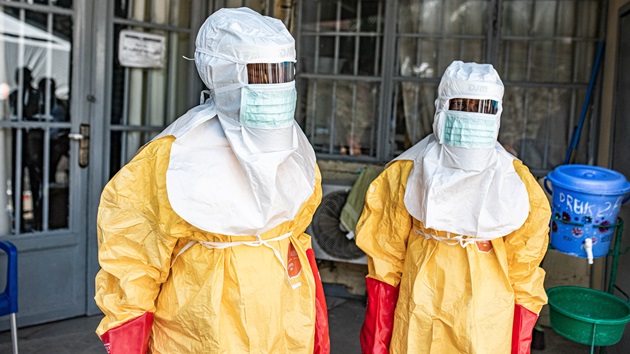
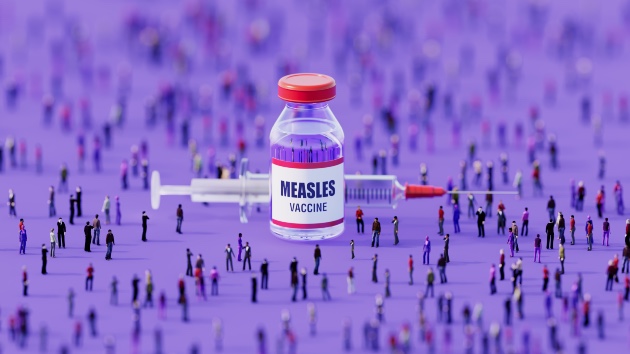


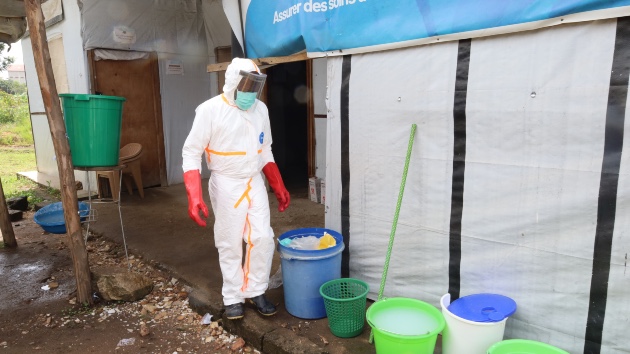

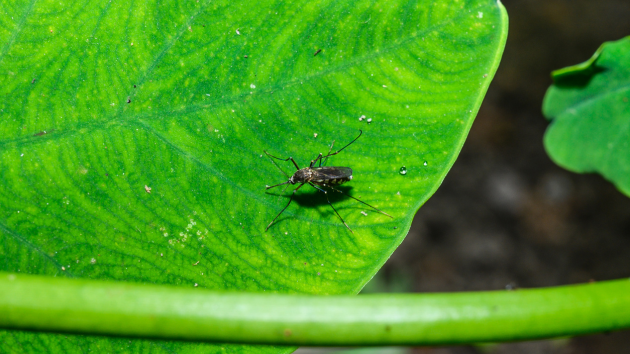
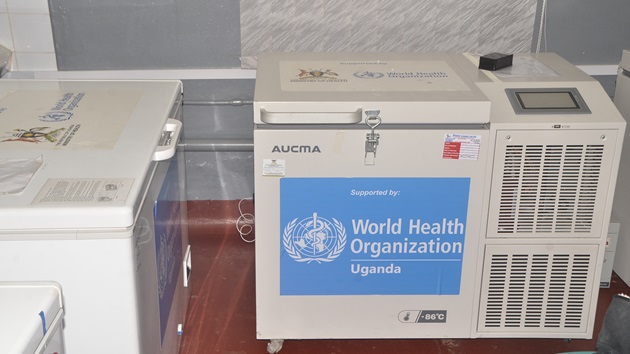
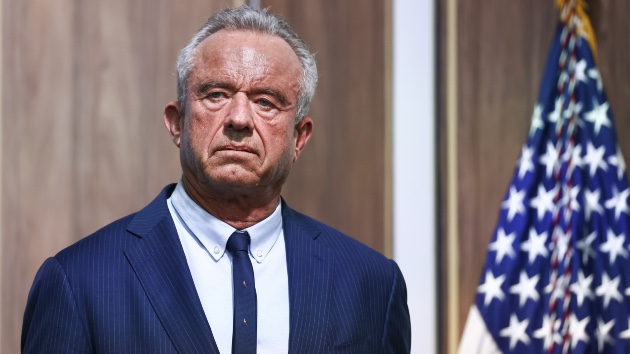
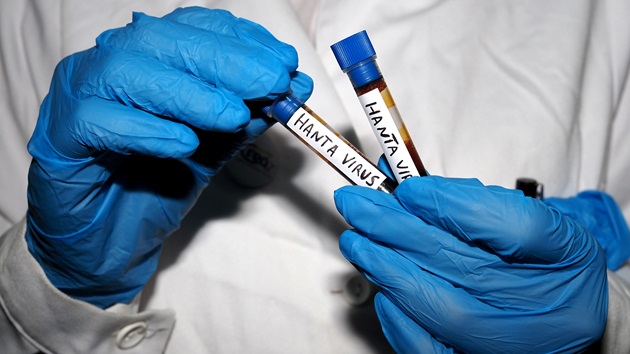
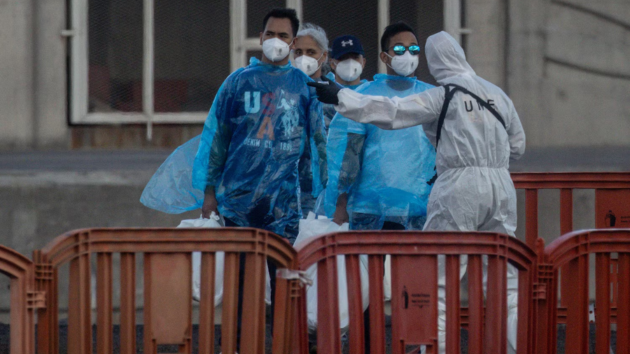
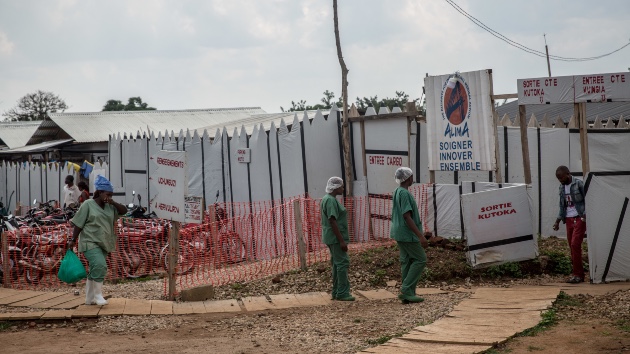




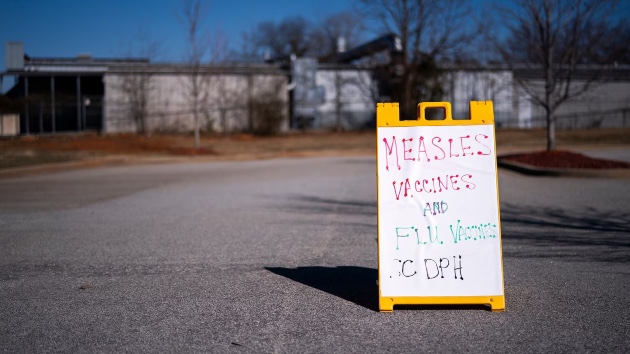
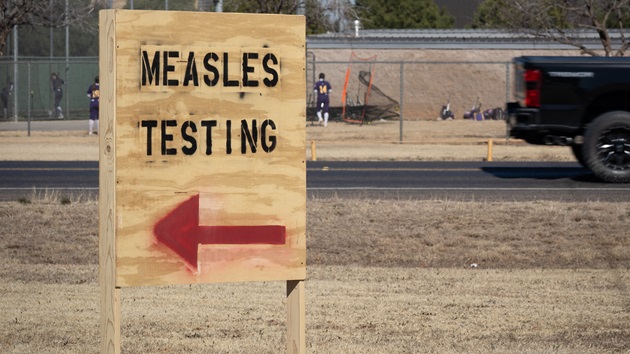





.jpg)